
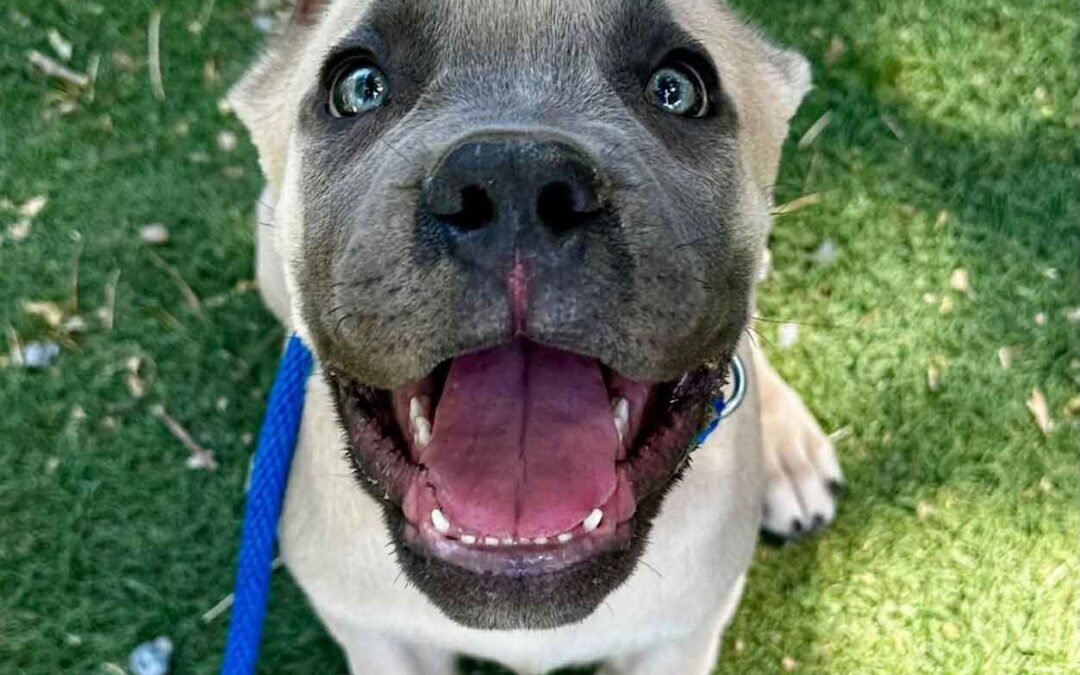
Bringing home a Cane Corso puppy is exciting, but the first days can also feel demanding. Your puppy is leaving a familiar environment, adjusting to new people and learning where to sleep, eat, play and eliminate. A calm plan helps everyone begin with realistic expectations.
The Cane Corso is intelligent, powerful and observant. Even as a young puppy, this breed benefits from clear routines, consistent boundaries and thoughtful socialization. You do not need to create a perfect dog in the first week. Your goal is to establish safety, predictability and a relationship built on calm leadership.
Before pickup, make sure you have reviewed whether the Cane Corso is the right fit for your household. Once your puppy comes home, everyone in the family should be prepared to follow the same rules and routine.
Prepare your home before your Cane Corso puppy arrives
Set up the puppy’s primary area before pickup day. A smaller, controlled space is easier to supervise than unrestricted access to the entire home. Decide where the crate will stay, which door you will use for potty trips and where food and water will be offered.
Useful supplies include:
- A correctly sized crate with a divider if needed
- A secure leash, flat collar and identification tag
- Food and water bowls
- The food your puppy is already eating
- Safe chew toys suited to the puppy’s age and size
- Enzyme cleaner for accidents
- Baby gates or an exercise pen for supervised boundaries
- A written schedule that every family member can follow
Puppy-proof the space by removing electrical cords, medications, household chemicals, small objects and anything you do not want chewed. Secure trash cans and block access to stairs, pools and other hazards. A Cane Corso grows quickly, so plan for the puppy you will have in several months, not only the puppy arriving today.
Expect the first 24 to 72 hours to be an adjustment
Some puppies explore immediately. Others may be quiet, hesitant, restless or tired. A puppy may eat less than usual, cry when separated or have an accident despite beginning potty training with the breeder. These behaviors can be part of adjusting to a completely new environment.
Keep the first few days calm. Avoid turning pickup into a parade of visitors and new experiences. Give your puppy time to learn the household rhythm, bond with the immediate family and rest. Short, positive interactions are more useful than constant stimulation.
Show the puppy the potty area as soon as you arrive home. Then introduce the crate, water area and one supervised room. Keep the leash nearby and begin guiding the puppy rather than chasing or repeatedly correcting after a mistake.
Build a predictable daily routine
Puppies learn through repetition. A consistent schedule helps with potty training, sleep, feeding and behavior. Plan regular times for waking, potty trips, meals, play, brief training and naps.
Young puppies need a great deal of sleep. An overtired puppy may become more mouthy, frantic or unable to settle. Alternate short periods of activity with quiet crate or pen time. Structure is not punishment; it helps the puppy understand when to engage and when to rest.
Feed the same food and schedule used before pickup unless your veterinarian recommends a change. If a diet transition is needed, ask your veterinarian how to make it gradually. Sudden changes can make an already stressful transition harder.
Begin crate training and sleep routines immediately
A crate can support potty training, safe travel and the ability to settle independently. Introduce it as a calm, predictable place. Offer meals, treats or a safe chew inside, and practice brief periods with the door closed while you remain nearby.
Some crying during the first nights is common. First confirm that the puppy does not need a potty break or medical attention. Keep nighttime trips quiet and purposeful, then return the puppy to the sleeping area. Turning every protest into play or unrestricted freedom can make the routine harder to establish.
Do not use the crate only when you leave the house or when the puppy is in trouble. Practice short daytime rests so the crate does not predict isolation. Increase duration gradually and avoid expecting a young puppy to remain confined longer than is developmentally appropriate.
Potty training requires supervision and repetition
Take your puppy to the same outdoor area after waking, eating, drinking, active play and time in the crate. Praise calmly when the puppy eliminates outside. Indoors, supervise closely or use a crate, pen or tether so the puppy cannot wander away and practice unwanted habits.
Accidents are information, not defiance. Clean them thoroughly and adjust the schedule or supervision. Punishing a puppy after the fact does not explain where the puppy should go and may create anxiety around eliminating in front of people.
If urination, bowel movements, appetite or energy seem abnormal, contact your veterinarian rather than assuming the issue is behavioral.
Plan for nipping, chewing and testing boundaries
Puppies explore with their mouths. Nipping, grabbing clothes and chewing household items are common, but they should be addressed consistently. Redirect the puppy to an appropriate toy, end play if arousal becomes too high and provide a nap when the puppy is overtired.
Decide the household rules before arrival. If the adult dog will not be allowed on furniture, through certain doorways or into specific rooms, begin teaching those boundaries now. Inconsistent rules are confusing, especially for an intelligent working breed that quickly notices which person allows what.
Avoid rough games that encourage the puppy to target hands or clothing. Use structured play, reward calm behavior and teach simple cues that create communication rather than conflict.
Socialization should build confidence, not overwhelm the puppy
Socialization is not measured by how many people or dogs your puppy meets. It is the process of helping the puppy feel safe and respond appropriately around the sights, sounds, surfaces, people and environments that will be part of adult life.
Use brief, controlled experiences and watch the puppy’s body language. Let the puppy observe at a comfortable distance, pair new experiences with food or play and leave before the puppy becomes exhausted. Avoid forcing interaction with every person or dog.
Ask your veterinarian which public environments are appropriate based on your puppy’s vaccination status and local disease risk. Safe exposure can include household sounds, different flooring, car rides, calm visitors and carefully selected healthy dogs, but veterinary guidance should shape the plan.
Training starts on the first day
Early training sessions should be short and clear. Begin with the puppy’s name, coming when called indoors, following a food lure, sitting for attention, accepting gentle handling and walking with you on leash for a few steps.
Olympian’s Cane Corso training page explains the Puppy Prep Program and the importance of early structure. Families who want additional coaching can also review TLC Canine Coaching’s puppy training packages, which include potty-training support, foundational obedience and owner coaching.
These are separate offerings, so review the current details and ask which option fits your puppy’s age, development and needs. No program replaces the owner’s daily responsibility. The habits practiced at home determine whether early training continues to hold.
Introduce children and other pets carefully
Teach children to give the puppy space while eating, sleeping or using the crate. Supervise every interaction and prevent chasing, climbing, hugging or rough play. Puppies and children both need adults to create calm boundaries.
Introduce resident dogs gradually in a controlled environment. Use leashes when appropriate, provide separate resting and feeding areas and keep early interactions short. Do not expect the resident dog to raise or discipline the puppy. If either animal shows persistent fear, guarding or unsafe behavior, seek qualified professional help.
Other pets may require an even slower management plan. Gates, crates and leashes help prevent uncontrolled rehearsals while the puppy learns household expectations.
Schedule veterinary care and keep health records organized
Arrange an initial veterinary appointment and bring the puppy’s vaccination, deworming and health records. Discuss nutrition, parasite prevention, vaccination timing, growth, exercise and any symptoms you have noticed.
Responsible breeding choices provide a foundation, but ongoing care still matters. Olympian’s Cane Corso health testing page explains the orthopedic, cardiac, patella, eye and DNA information families may see on individual parent profiles. Health testing reduces uncertainty; it does not replace veterinary care or guarantee that a dog will never develop a health problem.
Know when to ask for help
Contact your veterinarian promptly for concerns involving illness, injury, repeated vomiting or diarrhea, significant changes in appetite or energy, breathing difficulty or anything else that seems medically urgent.
Ask the breeder or a qualified trainer for help when you are unsure about routines, crate resistance, persistent house-training problems, handling sensitivity, guarding, fear or interactions with people and animals. Early guidance is easier than waiting for a pattern to become established.
Every Olympian puppy comes with lifetime breeder and training support. Use that support. Asking questions early is part of responsible ownership.
Your first-week Cane Corso puppy checklist
- Keep the household calm and limit overwhelming introductions.
- Follow a consistent schedule for meals, potty trips, play and sleep.
- Supervise indoors or use a crate, pen or tether.
- Practice several short training sessions each day.
- Reward calm behavior and redirect nipping or chewing.
- Begin safe, controlled socialization based on veterinary guidance.
- Schedule the initial veterinary appointment.
- Make sure every family member follows the same rules.
- Contact Olympian or a trainer when you need guidance.
Give your puppy structure, patience and time
The first week is not a test of whether your Cane Corso puppy will become a perfect adult. It is the beginning of a long relationship. Calm routines, clear expectations, appropriate rest and daily training create a foundation you can build on as the puppy matures.
Review the Olympian Cane Corso FAQ for placement and pickup information. If you are still preparing for a future puppy, explore planned litters and complete the puppy application when you are ready to begin the placement process.